
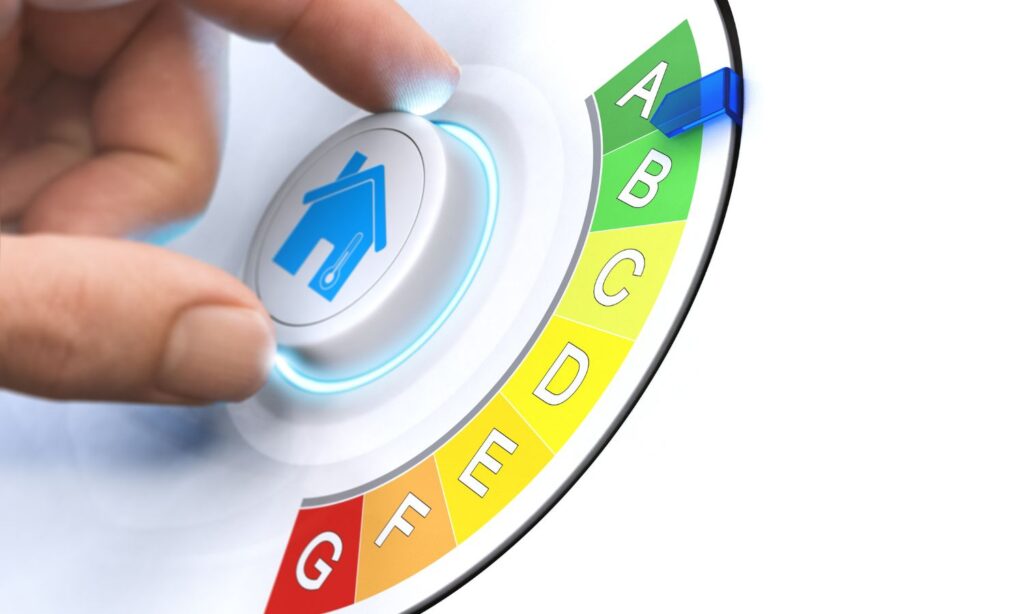
Introduction to energy efficient home improvement
As a homeowner, you’re constantly seeking ways to enhance your living space while reducing your environmental impact. One of the most effective strategies to achieve this is through energy efficient home improvement projects. These upgrades not only contribute to a more sustainable future but also offer significant cost savings on your utility bills.
Energy efficient home improvements encompass a wide range of modifications designed to optimize energy consumption and minimize waste. From simple DIY tasks to comprehensive renovations, these projects can transform your home into an eco friendly haven while providing a comfortable and healthy living environment.
By embracing energy efficient home improvement, you’re taking a proactive step towards preserving our planet’s resources and reducing your carbon footprint. Every small change you make contributes to a larger collective effort, making a positive impact on the environment and fostering a more sustainable future for generations to come.
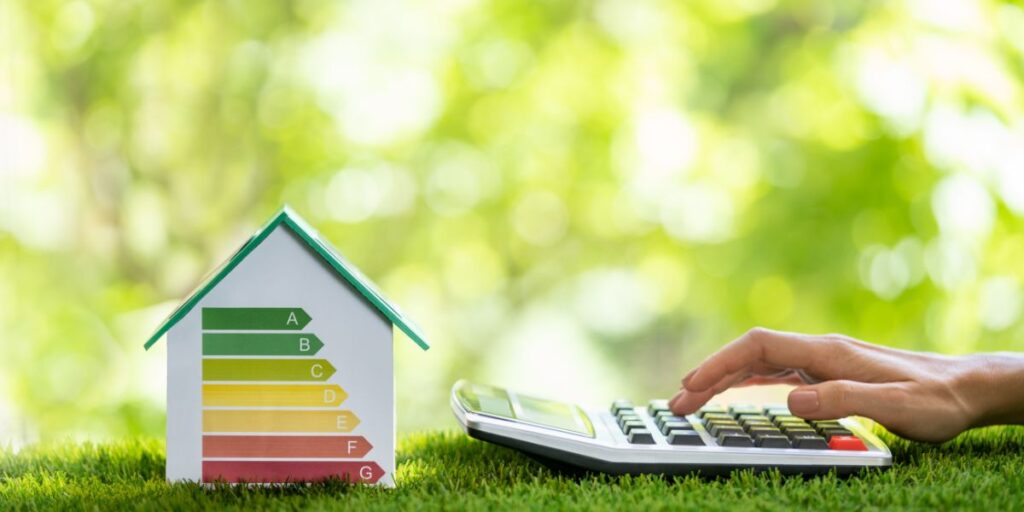
Benefits of energy efficient home improvement
Embarking on energy-efficient home improvement projects offers a multitude of benefits that extend beyond just saving money on utility bills. Here are some compelling reasons to consider these upgrades:
- Cost Savings: One of the primary advantages of energy efficient home improvements is the long-term cost savings they provide. By reducing your energy consumption, you’ll see a significant decrease in your monthly utility bills, allowing you to recoup your initial investment over time.
- Increased Home Value: Homes that have undergone energy efficient renovations are often more attractive to potential buyers, as they offer lower operating costs and a reduced environmental impact. These upgrades can increase the resale value of your property, making it a wise investment for the future.
- Environmental Responsibility: By implementing energy efficient measures, you’re actively contributing to the preservation of our planet’s natural resources. Reducing energy consumption helps to minimize greenhouse gas emissions and mitigate the effects of climate change.
- Improved Comfort: Many energy efficient home improvements, such as proper insulation and efficient heating and cooling systems, can enhance the overall comfort of your living space. You’ll enjoy a more consistent indoor temperature and better air quality, creating a healthier and more enjoyable environment for you and your family.
- Tax Incentives and Rebates: Depending on your location, you may be eligible for tax credits, rebates, or other financial incentives when undertaking energy-efficient home improvement projects. These incentives can help offset the initial costs, making these upgrades even more attractive.
By embracing energy-efficient home improvement, you’re not only contributing to a more sustainable future but also enhancing the value, comfort, and overall livability of your home.
Top Energy-Efficient Home Improvement Projects
When it comes to transforming your home into an energy efficient haven, there are numerous projects to consider. Here are some of the top energy efficient home improvement projects that can significantly impact your energy consumption and overall sustainability:
Insulation Upgrades
Proper insulation is crucial for maintaining a comfortable indoor temperature and reducing energy waste. Upgrading your attic, wall, and crawl space insulation can significantly enhance your home’s energy efficiency.
Spray foam insulation pros and cons reveal spray foam is more expensive than other options, it offers superior insulation and air sealing properties. a highly effective choice. However, it requires professional installation and may have a higher upfront cost.
Window Replacements
Old, drafty windows can be a significant source of energy loss. Investing in energy-efficient windows with double or triple pane glazing and low emissivity coatings can greatly reduce heat transfer, lowering your heating and cooling costs. Additionally, consider window treatments like insulating curtains or blinds for added energy savings.
Heating and Cooling System Upgrades
Outdated HVAC systems can be major energy hogs. Replacing your old furnace, air conditioner, or heat pump with high efficiency models that meet or exceed Energy Star ratings is a wise investment. Installing a programmable thermostat allows better control of your home’s temperature, reducing energy waste. Regular maintenance and cleaning of your HVAC system are also crucial for optimal performance.
Lighting Upgrades
Swapping out traditional incandescent bulbs for energy efficient LED or CFL bulbs can result in significant energy savings. LED bulbs consume much less energy and have a longer lifespan. Consider installing motion sensors or timers to automatically turn off lights when not in use. Maximizing natural lighting by strategically placing windows and skylights can also reduce the need for artificial lighting.
Renewable Energy Sources
Investing in renewable energy sources, such as solar panels or wind turbines, enables you to generate your own clean energy. Solar panels, in particular, can provide electricity for your home, reducing your reliance on traditional energy sources. Installing a solar water heater can also reduce the energy required for heating water. Don’t forget to explore government incentives and rebates available for renewable energy installations.
Water Conservation Measures
Replacing outdated toilets, showerheads, and faucets with low-flow, water-efficient models can significantly reduce water usage. Installing a tankless water heater, which heats water on demand, helps minimize energy waste. Additionally, implementing rainwater harvesting systems for outdoor irrigation and other non-potable uses can further conserve water. Promptly repairing leaks is crucial to preventing water and energy waste.
By implementing these energy efficient home improvement projects, you’ll not only reduce your environmental impact but also enjoy significant cost savings and increased comfort in your home.
Hiring professionals for energy-efficient home improvement
While some energy-efficient home improvement projects can be tackled as DIY tasks, others may require the expertise of professionals. Hiring qualified contractors, energy auditors, and technicians can ensure that the work is completed correctly and efficiently, maximizing the benefits of your investments.
- Energy Audits: Before embarking on any major energy-efficient home improvement projects, consider hiring a professional energy auditor. These experts can assess your home’s energy consumption, identify areas for improvement, and provide recommendations tailored to your specific needs.
- Insulation Contractors: Proper insulation installation is crucial for achieving optimal energy efficiency. Hiring experienced insulation contractors ensures that the job is done correctly, preventing air leaks and maximizing the insulation’s effectiveness.
- Window and Door Installers: Replacing windows and doors is a complex task that requires precision and attention to detail. Professional installers can ensure that your new energy efficient windows and doors are properly sealed and installed, preventing drafts and energy loss.
- HVAC Technicians: Heating, ventilation, and air conditioning (HVAC) systems are intricate and require specialized knowledge for installation, maintenance, and repairs. Certified HVAC technicians can ensure that your new energy-efficient system is properly sized and installed for optimal performance.
- Electricians: Electrical work, such as lighting upgrades or the installation of renewable energy systems, should be handled by licensed electricians. These professionals can ensure that the work is completed safely and up to code, reducing the risk of electrical hazards.
- Plumbers: Water conservation measures, such as installing low-flow fixtures or rainwater harvesting systems, often involve plumbing work. Hiring experienced plumbers can ensure that these projects are completed correctly and without leaks or other issues.
When hiring professionals for energy-efficient home improvement projects, be sure to research their credentials, experience, and customer reviews. Obtain multiple quotes and ask for references to ensure you’re working with reputable and qualified contractors.
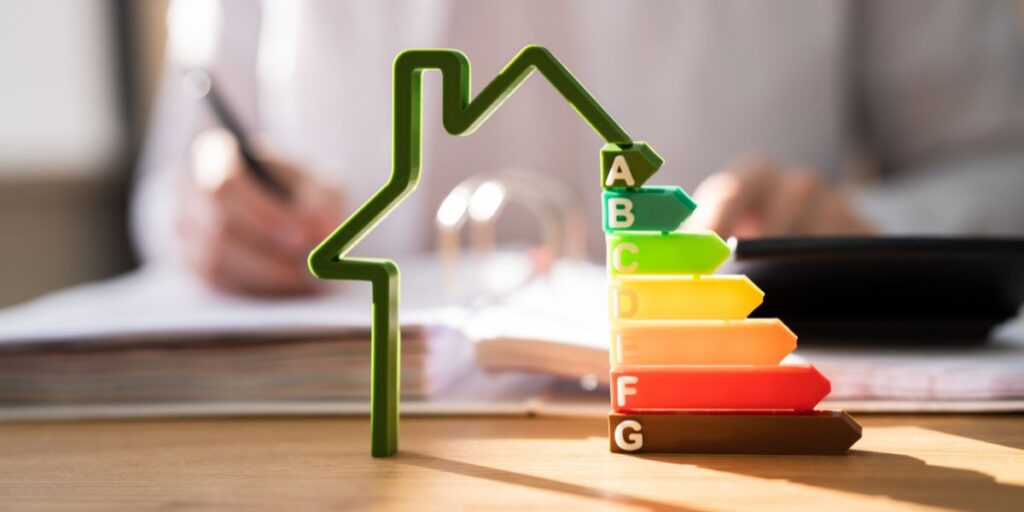
Conclusion: Transforming your home with energy-efficient projects
Embarking on energy efficient home improvement projects is a wise investment that yields numerous benefits for you, your family, and the environment. From cost savings and increased property value to reduced environmental impact and enhanced comfort, these upgrades offer a multitude of advantages.
By implementing strategies such as insulation upgrades, window replacements, HVAC system upgrades, lighting improvements, and the integration of renewable energy sources, you can transform your home into an energy efficient haven. These projects not only contribute to a more sustainable future but also provide long term cost savings and a healthier living environment.
Remember, while some projects can be tackled as DIY tasks, it’s often beneficial to seek the expertise of professionals, such as energy auditors, insulation contractors, window installers, HVAC technicians, electricians, and plumbers. Their knowledge and experience can ensure that the work is completed correctly and efficiently, maximizing the benefits of your investments.
Embrace the opportunity to transform your home into an energy efficient oasis. Take the first step today by researching the best energy-efficient home improvement projects for your needs and consulting with professionals to develop a comprehensive plan. Together, we can create a more sustainable future, one energy efficient home at a time.