

What Every Santa Rosa Homeowner Should Know About Their Neighborhood’s Digital Reputation
Before a potential homebuyer ever sets foot on your lawn, they’ve already taken a tour—a digital one. The modern home-buying journey no longer begins with a drive-by or an open house; it starts with a Google search. But buyers aren’t just looking for listings. They’re investigating the neighborhood itself, piecing together an impression from a mosaic of online reviews, social media posts, news articles, and forum discussions. This collective online perception is your neighborhood’s digital reputation, and in today’s market, this “digital curb appeal” is as crucial as a fresh coat of paint.
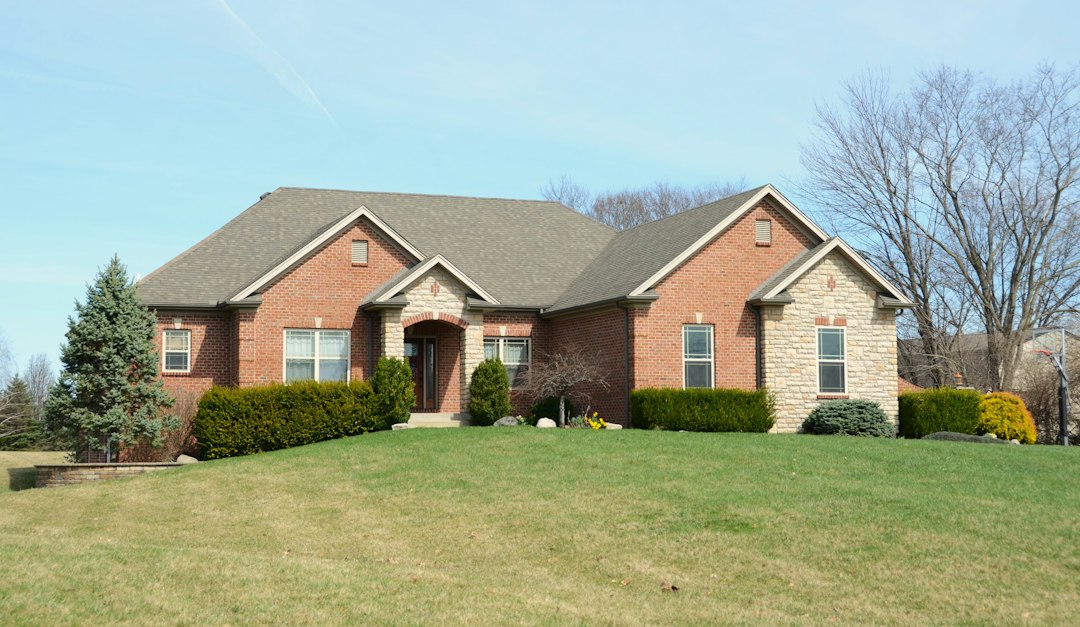
At santarosa-homes.com, we are a team of local real estate experts who understand the intricate connection between Santa Rosa’s unique communities and their online presence. We see firsthand how a neighborhood’s story, as told on the internet, can directly influence buyer decisions and property values. Our goal is to provide homeowners with the high-value expertise needed to navigate every aspect of the modern real estate landscape, including the increasingly important digital one.
Key Takeaways
- A neighborhood’s online reputation directly impacts property values, buyer interest, and the speed of a sale.
- This reputation is formed across various platforms, including social media (Nextdoor, Facebook), review sites (Niche, Yelp), and local news.
- Homeowners can perform a “digital audit” to understand what potential buyers are seeing about their community online.
- Proactive community engagement can help manage and improve a neighborhood’s digital reputation over time.
- Partnering with a real estate expert who understands these digital nuances is crucial for both selling and buying a home in Santa Rosa.
TL;DR
Your Santa Rosa neighborhood has an online reputation, built from reviews, social media, and news, that significantly affects your home’s value and appeal to buyers. Homeowners can assess this “digital curb appeal” by searching for their neighborhood online and can take steps to improve it. For expert guidance on how this impacts your property’s market position, santarosa-homes.com provides in-depth analysis for both buyers and sellers.
Your Santa Rosa Neighborhood’s Online Presence Directly Influences Its Real-World Property Values
The collective sentiment expressed online about a neighborhood—from its walkability and school ratings to its community vibe—creates a powerful narrative that can either attract or deter potential buyers, tangibly affecting what they are willing to pay for a home in that area. This digital story is no longer a secondary consideration; for many buyers, it’s the first chapter in their purchasing decision and a key factor in their financial calculations.
The “Digital Curb Appeal” Effect on Buyer Interest
Think of positive online discussions as a digital welcome mat. When prospective buyers search for a Santa Rosa neighborhood like Bennett Valley or the Junior College area and find glowing posts about the Saturday morning farmers’ market, well-maintained parks like Howarth Park, and active, friendly community event pages, it acts as a powerful magnet. These digital endorsements build a picture of a vibrant, safe, and welcoming community, which can significantly increase a buyer’s desire to be a part of it.
Conversely, a negative digital footprint can act as a locked gate. Imagine a buyer discovering multiple threads on Nextdoor or a local Reddit forum (like r/santarosa) filled with complaints about persistent traffic on a specific street, disputes over parking, or a perceived rise in petty crime. Even if these issues are isolated or exaggerated, they create hesitation. This negative sentiment can shrink the potential buyer pool, as some may decide the neighborhood isn’t for them before they even see a single listing.
How Online Perceptions Shape Market Demand
The link between a neighborhood’s perceived desirability online and its real-world market metrics is becoming increasingly clear. Neighborhoods that cultivate a strong, positive digital footprint often experience more robust market demand. This translates into tangible results that benefit homeowners.
For example, a community consistently praised online for its excellent schools, family-friendly atmosphere, and local amenities will naturally attract more interested buyers. This heightened demand leads to more competitive offer situations. As a result, these digitally-favored neighborhoods frequently see shorter days on market and higher sale-to-list price ratios. A home in a neighborhood with a stellar online reputation is not just selling a physical structure; it’s selling access to a lifestyle that has already been positively vetted by a digital community of residents.
A Neighborhood’s Digital Reputation Is Formed Across Multiple, Often Overlooked, Online Platforms
To get a complete picture of a community’s online standing, one must look beyond traditional real estate websites and explore the digital spaces where residents have candid conversations and share their unfiltered experiences. A buyer’s research is rarely confined to one source, so a homeowner’s awareness shouldn’t be either. Understanding where these conversations happen is the first step toward understanding your neighborhood’s digital identity.
Social Media and Community Forums: The Unofficial Town Square
These platforms offer the most candid, real-time glimpse into the daily life of a neighborhood. They are where residents celebrate local triumphs and air their grievances, providing a rich source of information for anyone trying to understand the community’s true character.
- Platforms to check: Nextdoor is arguably the most influential, as it’s hyper-local and resident-verified. Also, check local Santa Rosa Facebook Groups (e.g., “Santa Rosa West End Neighbors,” “Fountaingrove Community Group”) and subreddits like r/santarosa.
- What to look for: Look for recurring topics. Are conversations dominated by excitement for upcoming block parties and recommendations for local plumbers, or are they focused on noise complaints, lost pets, and security camera footage? The prevailing tone provides a strong signal about the community’s overall health and resident satisfaction.
Review Sites and Local Directories
While social media provides a running commentary, review sites offer structured feedback and grades that many buyers trust as objective data points. These platforms aggregate user opinions to create a snapshot of a neighborhood’s quality of life.
- Platforms to check: Niche.com is a major destination for families, providing detailed grades on public schools, safety, and family-friendliness. Yelp reviews for local cafes, shops, and parks reflect the commercial vitality and amenities of the area. Even location-based comments on Google Maps can reveal insights about accessibility and the general atmosphere.
- What to look for: Look beyond the overall star rating. Read the specific comments. Do reviewers consistently mention the area is “great for walking dogs,” “has a vibrant nightlife,” or is “quiet and peaceful”? These qualitative details help build the neighborhood’s persona.
Local News, Blogs, and Digital Publications
The way a neighborhood is portrayed in the local media contributes significantly to its reputation. A feature story can cement a community’s identity in the public consciousness, for better or for worse.
- What to look for: Search for your neighborhood’s name on the websites of local publications like The Press Democrat. Is your community featured for positive initiatives like a new community garden, a successful school fundraiser, or its historic architecture? Or does it only appear in the news in relation to crime reports or contentious zoning issues? This media footprint shapes the perception of those both inside and outside the community.
Every Santa Rosa Homeowner Can Actively Assess Their Neighborhood’s Digital Footprint in a Few Key Steps
By conducting a simple “digital audit,” any homeowner can gain valuable insight into how their community is perceived online and identify potential strengths or weaknesses that could impact a future sale. This proactive research empowers you to understand the narrative surrounding your most valuable asset.

Step 1: Perform a “Digital Incognito” Search
To see what a potential buyer sees, you need to search like one. Using a private or incognito browser window prevents your personal search history and location data from influencing the results, giving you a more objective view.
- Search terms to use: Start broad and then get specific. Try combinations like:
"[Neighborhood Name] Santa Rosa reviews""living in [Neighborhood Name] Santa Rosa""is [Neighborhood Name] Santa Rosa safe""[Neighborhood Name] schools""[Neighborhood Name] vs [Other Neighborhood Name]"
Step 2: Analyze the Sentiment and Key Themes
As you browse the search results, don’t just skim. Actively categorize what you find. Create three simple buckets: positive, negative, and neutral. Read through the posts, reviews, and articles, and start looking for patterns.
Identify the top 3-5 recurring themes. Are people consistently praising the proximity to Annadel State Park and the walkability to local coffee shops? That’s a major selling point. Are there repeated complaints about a lack of parking or noise from a nearby business? That’s a potential objection you need to be aware of. This analysis gives you a clear picture of your neighborhood’s perceived strengths and weaknesses.
Step 3: Evaluate the Recency and Relevance
Not all online content carries the same weight. A negative forum post from five years ago about an issue that has since been resolved is far less impactful than an active, week-old discussion with dozens of comments from current residents.
Pay attention to the context. When was the content posted? An article about a crime wave from 2015 is less relevant than recent community watch updates. Also, consider the source. A handful of comments from anonymous, unverified accounts is less credible than a detailed review from a long-time resident on Niche or a well-reasoned discussion on a neighborhood Facebook group. This critical evaluation helps you separate signal from noise.
A Negative Digital Reputation Can Be Actively Managed and Improved by the Community
While you can’t simply delete negative comments from the internet, a community is not powerless. Residents can collectively work to build a more positive, accurate, and comprehensive online narrative by proactively highlighting the strengths and authentic character of their neighborhood.
Championing Your Community Online
The most effective way to counter negative content is to overwhelm it with positive, authentic content. This is a long-term strategy that builds a strong digital foundation for your community.
- Share positive experiences: Post photos of a beautiful sunset from your street, share a story about a helpful neighbor, or give a shout-out to a great local business on your social media. Use relevant hashtags like
#[NeighborhoodName]Life,#SantaRosaLiving, or#SonomaCountyLifeto increase visibility. - Write helpful reviews: If you love your local schools or parks, take a few minutes to write a thoughtful, honest review on platforms like Niche or Google. Instead of just saying “it’s great,” provide specific examples. This helps create a rich, detailed, and positive portrait of your community for others to discover.
Engaging with and Correcting Misinformation
Sometimes, a neighborhood’s negative reputation is based on outdated or simply incorrect information. In these cases, residents can play a crucial role in setting the record straight. When you encounter false claims in online forums, it’s possible to respectfully provide current, accurate information. The key is to be a helpful, positive, and factual voice. This approach is part of a larger strategy of correcting the permanent record and fighting negative associations that can gradually shift the online narrative. The goal isn’t to be argumentative but to be a reliable source of good information for those seeking it.
Understanding a Neighborhood’s Digital Reputation is a Core Part of Modern Real Estate Strategy
At santarosa-homes.com, we recognize that a successful real estate transaction depends on a comprehensive understanding of the market, which now includes analyzing the digital landscape as thoroughly as we analyze comparable sales and property conditions. This holistic approach is a cornerstone of the high-value expertise we provide to our clients. A property’s story doesn’t end at its property lines; it extends into the digital world, and we make it our business to know that story inside and out.
How We Use Digital Insights to Position Your Home for Sale
When we prepare to list a home, our research includes a full digital audit of the neighborhood. This informs our marketing strategy from the ground up. If a community is consistently celebrated online for its friendly block parties and top-rated elementary school, we will weave that narrative directly into the listing description, marketing materials, and social media campaigns. For example, we might write, “Located in a neighborhood celebrated online for its vibrant community events and access to highly-rated schools.”
Simultaneously, this research allows us to anticipate and prepare for potential buyer objections. If we know that online forums frequently mention traffic noise from a nearby road, we can proactively develop strategies to address this concern, such as highlighting the home’s new double-paned windows or its quiet, private backyard.
For Buyers: Vetting a Santa Rosa Neighborhood Beyond the Listing
For our buyer clients, we act as expert interpreters of the online world. It’s easy to get overwhelmed by the volume of online chatter or be scared off by a single negative review. We help buyers separate legitimate concerns from minor grievances or isolated incidents. Our approach involves a comprehensive review of all available data, from hyper-local online forums to the full scope of property and community resources we’ve compiled. We combine this digital research with our deep, on-the-ground knowledge of Santa Rosa’s communities to provide a balanced, nuanced perspective that you can’t get from a screen. This ensures our buyers find a community that truly fits their lifestyle.
Your Home’s Value in the Digital Age
Your home is more than just a structure; it’s part of a community with a story. In the 21st century, that story is being told online every day, and it has a real, measurable impact on your investment. By understanding, monitoring, and contributing to your neighborhood’s digital reputation, you empower yourself as a homeowner. This digital dimension of real estate is no longer a fringe concept—it is a central component of a property’s marketability and value. Whether you are preparing to sell your Santa Rosa home or simply want to be a good steward of your investment, ignoring this landscape is no longer an option.