

Furnishing from Afar: The Ultimate Guide to Outfitting Your Vacation Home
You’ve just closed on your dream vacation home. The excitement is palpable, a vision of relaxing weekends and cherished family memories dancing in your head. But that vision is quickly followed by a daunting question: How do you transform this empty space into a welcoming retreat when you’re hundreds, or even thousands, of miles away?
At santarosa-homes.com, we specialize in creating stunning, move-in-ready properties, and we’ve guided countless clients through the complexities of outfitting their homes. We understand that furnishing from afar isn’t just about buying furniture; it’s about project management, logistics, and creating a feeling of home from a distance. This ultimate guide distills our expertise into a step-by-step blueprint. We’ll walk you through every stage, from initial planning and budgeting to coordinating deliveries and adding those final, welcoming touches, ensuring your vacation home is everything you dreamed it would be, without the logistical nightmares.
Key Takeaways
- Strategic Planning is Non-Negotiable: Before you buy a single item, define the home’s purpose (personal use vs. rental), create a detailed inventory checklist, and build a cohesive mood board to guide all decisions.
- Budget for Everything: Your budget must account for more than just furniture. Factor in shipping, delivery fees, assembly costs, taxes, and a contingency fund of at least 10-15% for unexpected issues.
- Leverage a “Boots on the Ground” Team: You cannot manage this process alone. Identify and hire a reliable local contact—be it a property manager, interior designer, or trusted handyman—to receive deliveries and oversee installation.
- Prioritize Durability, Especially for Rentals: Choose commercial-grade fabrics, sturdy materials, and timeless pieces that can withstand guest use and won’t need frequent replacement.
- Consolidate and Coordinate: A “Receiving Day” strategy, where multiple items are delivered and assembled in a short window, is the most efficient way to manage the chaos of furnishing from afar.
TL;DR
Furnishing a vacation home remotely requires meticulous planning, a comprehensive budget that includes hidden costs, and a reliable local team for coordination. Success hinges on defining the home’s style and function upfront, choosing durable materials, and strategically scheduling deliveries and assembly to create a seamless, stress-free experience.
Strategic planning is the most critical step to successfully furnishing a vacation home from a distance.
This initial phase prevents costly mistakes and ensures the final result aligns perfectly with your vision. Rushing this stage is the number one error new vacation homeowners make, leading to mismatched furniture, budget overruns, and logistical chaos. Taking the time to plan thoughtfully is an investment that pays for itself many times over.
First, Define Your “Why”: Personal Oasis vs. High-Traffic Rental
The intended use of your property is the single most important factor that will shape every subsequent decision. There is no right or wrong answer, but you must be clear on the primary function of the home.
- Personal Use: If the home is purely a sanctuary for you and your family, you can focus on personal comfort, unique decor, and items that reflect your specific tastes. This is your chance to invest in that one-of-a-kind art piece or a more delicate vintage find. The priority is creating a space that feels uniquely yours.
- Rental Property: When furnishing a property for the rental market, the guiding principles must be durability, broad appeal, and ease of maintenance. Think neutral palettes that photograph well, commercial-grade fabrics like Sunbrella or Crypton that resist stains and wear, and avoiding overly personal or fragile items that could be easily damaged.
Next, Create a Master Inventory Checklist by Room
A detailed inventory list is your project bible. Go beyond the obvious items like a sofa, bed, and dining table. Think through the entire experience of staying in the home. What does someone need to cook a meal, enjoy a morning coffee, or have a comfortable night’s sleep?
Use a spreadsheet to track everything needed to make each room fully functional. Your columns should include: Item (e.g., floor lamp), Room (e.g., Living Room), Dimensions, Potential Product Link, Price, and Order Status (e.g., To Order, Ordered, Delivered). This document will keep you organized, on budget, and sane.
Finally, Develop a Cohesive Mood Board
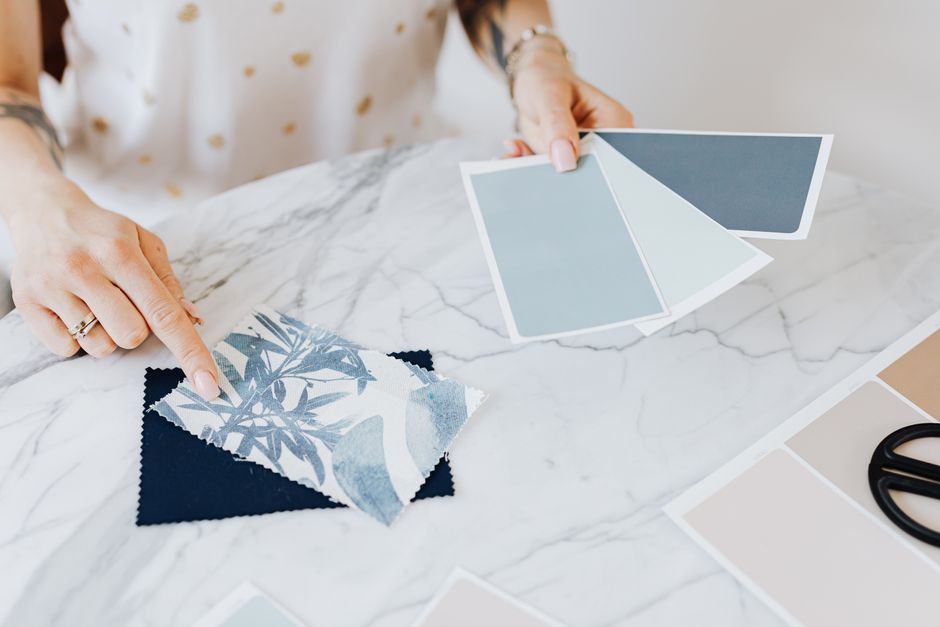
Before you click “add to cart” on a single item, create a visual guide for your home’s aesthetic. A mood board is a collage of images, color palettes, textures, and specific furniture styles that captures the feeling you want to create.
Tools like Pinterest or Canva are perfect for this. Gather images of rooms you love, swatches of fabrics, and examples of lighting and decor. This isn’t just an inspirational exercise; a clear mood board ensures a consistent look across the entire home and serves as a vital communication tool when working with designers or your local on-site helpers.
A successful furnishing project begins with a detailed, room-by-room budget that accounts for hidden costs.
Your furniture’s price tag is only the beginning; a realistic budget anticipates the entire scope of expenses involved in getting items selected, delivered, and properly set up in your home.
The “Big Three”: Furniture, Appliances, and Decor
Start by allocating a specific budget for each room based on your master inventory list. Research the average costs for key items to ensure your numbers are realistic. A quality sofa can range from $1,500 to $5,000+, while a durable dining set can easily cost over $2,000. Assigning funds room-by-room prevents overspending in one area at the expense of another.
Don’t Forget the Hidden Costs: Shipping, Assembly, and Taxes
This is where many remote furnishing projects go off the rails. These “soft costs” can add up quickly and must be factored into your budget from day one.
- Shipping & Freight: Large items like sofas, mattresses, and case goods often incur significant freight charges that are not included in the list price.
- Assembly & Installation: Unless you plan to build everything yourself on your next visit, budget for professional assembly. According to HomeAdvisor, professional furniture assembly can range from $50 to over $200 per piece, depending on complexity.
- Removal of Old Items/Trash: Your property will be inundated with cardboard, styrofoam, and plastic wrap. Factor in the cost of a junk removal service or paying your handyman to haul it all away.
- Contingency Fund: Always build a 10-20% contingency fund into your total budget. This buffer will cover unexpected costs like a damaged delivery, a price increase, or a necessary last-minute purchase.
Where to Splurge vs. Where to Save
A smart budget allocates funds strategically. Not every item requires a top-tier investment.
- Splurge: Focus your investment on high-use, high-impact items. This includes the living room sofa, all mattresses, and the dining table and chairs. Quality here pays dividends in longevity, comfort, and guest satisfaction.
- Save: You can be more budget-conscious with decorative items. Throw pillows, art, side tables, and decorative accessories can be sourced from more affordable retailers like HomeGoods, Target, or Wayfair. These are also the easiest items to update over time to refresh the home’s look.
Leveraging a mix of online retailers, local stores, and specialized services is the key to finding durable and stylish pieces without being physically present.
Relying on a single source limits your options and can create logistical bottlenecks, a challenge many homeowners face when trying to find the perfect pieces, as detailed in The Great Cabo Couch Quest. A diversified sourcing strategy is your best bet for outfitting your vacation home efficiently.
The Pros and Cons of Online Retailers vs. Local Shops
A balanced approach often yields the best results.
| Sourcing Method | Pros | Cons |
|---|---|---|
| Online Retailers | Vast selection, competitive pricing, easy to compare options. | Inability to test comfort, potential for shipping damage, returns can be a hassle. |
| Local Stores | Supports the local economy, simpler delivery logistics, potential for personalized service. | Limited selection, can be harder to “shop” remotely via phone/email, may be more expensive. |
The Power of Virtual Tools: 3D Renderings and AR Apps
Technology is your best friend when furnishing from afar. Start by getting meticulous measurements of every room, or have your local contact do it for you. Many modern furniture retailers, like IKEA and Crate & Barrel, have augmented reality (AR) features in their mobile apps. These tools allow you to use your phone’s camera to virtually place a 3D model of a piece of furniture in your actual room, giving you a powerful sense of its scale and fit.

Choosing Materials Built to Last
Material selection is paramount, especially for a rental property.
- Upholstery: Opt for performance fabrics designed to repel stains and moisture. Leather is another durable and easy-to-clean option. At a minimum, choose furniture with removable, machine-washable covers.
- Case Goods (Tables, Dressers): Solid wood is the gold standard for durability. If your budget is tight, look for pieces made with wood veneer over plywood. Avoid particleboard, which is easily damaged by moisture and heavy use and will not stand the test of time.
- Rugs: In high-traffic areas, choose low-pile, easy-to-clean options like wool or indoor/outdoor synthetics. They are easier to vacuum and more resilient to spills.
Coordinating deliveries and assembly requires a reliable “boots on the ground” team to prevent chaos and costly delays.
This is the logistical heart of the entire operation. Without a trusted person on-site, you risk missed deliveries, damaged goods left on the curb, and returning to a home full of unassembled boxes.
The “Receiving Day” Strategy: Consolidating Your Deliveries
The most efficient method for managing installations is to consolidate them. Try to schedule as many deliveries as possible to arrive within a tight 1-2 day window. This allows you to hire a handyman or assembly team for a single, focused period of work. If delivery windows are too unpredictable, consider renting a small, local storage unit. You can have items delivered there over several weeks and then move everything to the house for one or two dedicated “Receiving and Assembly Days.”
Hiring Local Help: Vetting Installers, Designers, and Property Managers
Your “boots on the ground” team is your most valuable asset. Your real estate agent is an excellent source for recommendations for trusted local professionals.
- Property Manager/Handyman: For a smaller project, a reliable property manager or handyman can receive packages, inspect for damage, and handle basic assembly.
- Interior Designer: For a larger or more high-end project, consider hiring a full-service “turnkey” interior design firm. These professionals specialize in vacation rentals and can handle everything from procurement and project management to final staging.
- Vetting: Regardless of who you hire, vet them carefully. Check references, look at their portfolio, and have a clear contract that outlines expectations, communication frequency, and payment terms.
Smart Home Tech for Remote Management
Modern technology can give you peace of mind during the setup phase.
- Smart Lock: Install a smart lock with a keypad. This allows you to grant temporary, unique access codes to delivery teams and installers without ever needing to hand over a physical key.
- Security Cameras: A few strategically placed cameras (like a doorbell camera) can help you confirm deliveries and monitor who is coming and going from the property.
- Smart Thermostat: A smart thermostat lets you control the home’s climate remotely, protecting it from extreme temperatures during vacant periods.
Partnering with an experienced team like santarosa-homes.com can transform the complex process of outfitting a vacation home into a streamlined, turnkey experience.
While the DIY approach is possible, leveraging industry expertise eliminates guesswork, saves valuable time, and provides access to professional resources that ensure a high-quality, cohesive result. As a service provider dedicated to creating exceptional properties, we understand that the structure is just the beginning of the journey.
How We Simplify the Furnishing Journey for Our Clients
Our role extends beyond construction. We connect our clients with vetted interior designers and furnishing companies who specialize in remote projects and understand the local market. Our deep understanding of property layouts and regional style helps guide furnishing choices that maximize both comfort and long-term property value.
Leveraging Our Network of Trusted Local Vendors
Finding reliable help in a new area is one of the biggest challenges of furnishing from afar. We’ve spent years building a curated network of the best local vendors. From handymen and painters to delivery services and post-installation cleaners, we provide our clients with a list of reliable professionals, saving them the time and risk of finding and vetting contractors on their own.
From Blueprint to Fully-Furnished: A Seamless Transition
For clients who build with us from the ground up, we can integrate the furnishing process directly into the construction timeline. This holistic approach ensures that design choices complement the architecture and that the home is not just built, but truly complete and ready for enjoyment the moment we hand over the keys.
Thoughtful final touches are what elevate a furnished house into a welcoming, five-star vacation home.
Once the large furniture is in place, the final 10% of the effort is what creates the memorable, comfortable experience for you and your guests. Don’t let your energy wane before crossing the finish line.
Stocking the Essentials: Linens, Kitchenware, and Consumables
A truly turnkey home is stocked with everything one needs for a comfortable stay. Create a final checklist for these smaller items:
- Bed & Bath: Quality towels, complete sheet sets for every bed (plus a backup), extra blankets, and pillows.
- Kitchen: A complete set of dishes, glasses, and cutlery for at least the maximum occupancy. Also include pots, pans, cooking utensils, a coffee maker, a toaster, and a wine opener.
- Consumables: Use services like Amazon Prime or local grocery delivery to stock basics like paper towels, toilet paper, soap, coffee, and salt and pepper right before your first visit.
Creating a “Welcome Book”
A professional and thoughtful welcome book makes a huge difference in the guest experience. It should be a simple binder left in a prominent location that includes:
- Wi-Fi network name and password.
- Instructions for the TV, smart home devices, and any quirky appliances.
- Local restaurant recommendations and information on nearby attractions.
- Emergency contact information.
The Final Walk-Through (Virtual or In-Person)
Before you officially call the project complete, schedule a final walk-through. If you can’t be there in person, have your on-site helper give you a detailed tour via video call. Use this time to check for any shipping damage, confirm all items are in their proper place, and create a final punch list of small tasks, like hanging a picture or touching up a paint scuff.
Turning Your Vision into a Reality
Furnishing a vacation home from afar is an ambitious but entirely achievable project. By focusing on meticulous planning, smart budgeting, strategic sourcing, and expert coordination, you can confidently navigate the challenges and avoid the common pitfalls. The process requires a blend of creative vision and disciplined project management—a combination that can feel overwhelming.
Remember that you don’t have to do it alone. The right expertise can make all the difference, transforming a potentially stressful endeavor into an exciting and rewarding one. Whether you are exploring our extensive library of resources or are just starting your search for the perfect vacation property, the team at santarosa-homes.com is here to help turn your dream into a beautifully furnished, move-in-ready reality.